The ideal moment to trade Luis Robert Jr. may never truly arrive, but the White Sox stand to gain far more if they wait beyond this offseason. While some questioned whether the club would exercise his $20 million option for 2026, the team made its intentions clear earlier this month by picking it up—ensuring he’ll stay in Chicago for at least a bit longer.
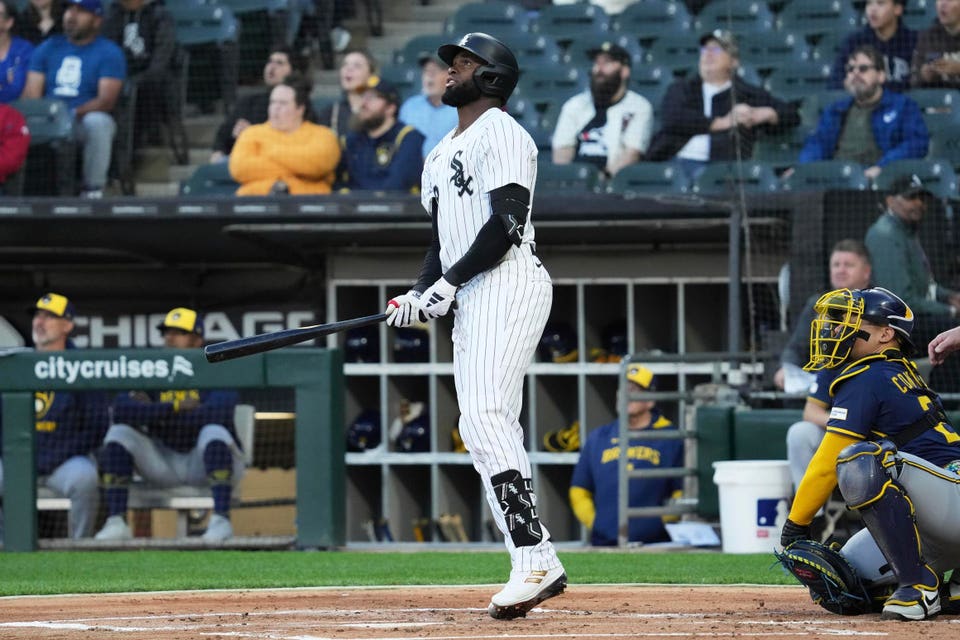
“We’re planning on him being in a White Sox uniform,” general manager Chris Getz said in early November. “His second-half performance showed exactly what he’s capable of and the kind of impact he brings. When he was healthy and in the lineup, he often pushed us toward wins.”
Whether Getz actually envisions Robert Jr. remaining with the White Sox through the entirety of 2026 is another matter. A trade could still materialize before the season begins—teams have already been checking in, and with winter meetings just a week away, Getz faces a pivotal decision about the outfielder’s long-term future.
Although there are arguments for exploring trade offers this winter, the more strategic move would be to wait until closer to next July’s trade deadline.
The biggest reason mirrors the same concern that has followed Robert Jr. for years: his health and consistency at the plate. Despite being one of the league’s most buzzed-about trade pieces, his availability and reliability remain in question. Since his standout 2023 All-Star season—where he posted a 5.3 bWAR—injuries and uneven performance have dictated much of his career. Over the last two seasons, he has produced a combined 2.8 bWAR and struggled to log even 100 games. Without the .808 OPS he delivered in the second half of 2025, last year would undoubtedly have been his weakest.
And even with that rebound, his 2025 season still ended a month early due to injury, leaving durability as the glaring unanswered question. That’s precisely why hanging on to him into early 2026 gives the White Sox a better chance at maximizing value.
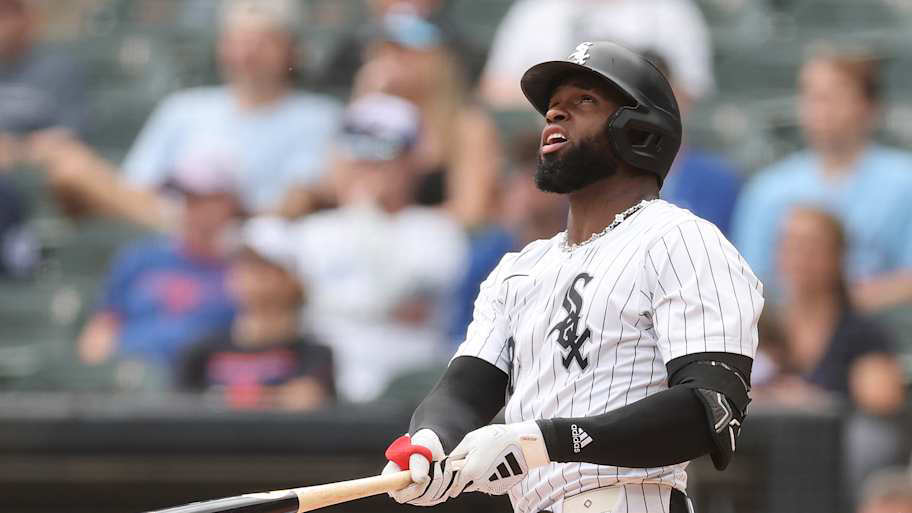
The hope is simple: that Robert Jr. looks more like his 2023 self for an extended stretch. If he stays healthy and hits the way he did in the latter half of 2025—especially over the first two or three months of next season—teams will come calling. Interest has always existed; a productive and healthy Robert Jr. will only drive trade offers higher than anything Getz is hearing this winter.
At that point, Getz would finally be in a position to move Robert Jr. for a strong return. The White Sox haven’t reached the postseason since 2021, the end of a short-lived competitive window built around Robert Jr. Nearly every key piece from that era is gone. Trading him would be the final chapter in closing out that core, yet—just like with the others—the goal must be centered on improving the club’s future. Progress was made last season, but much more is needed.
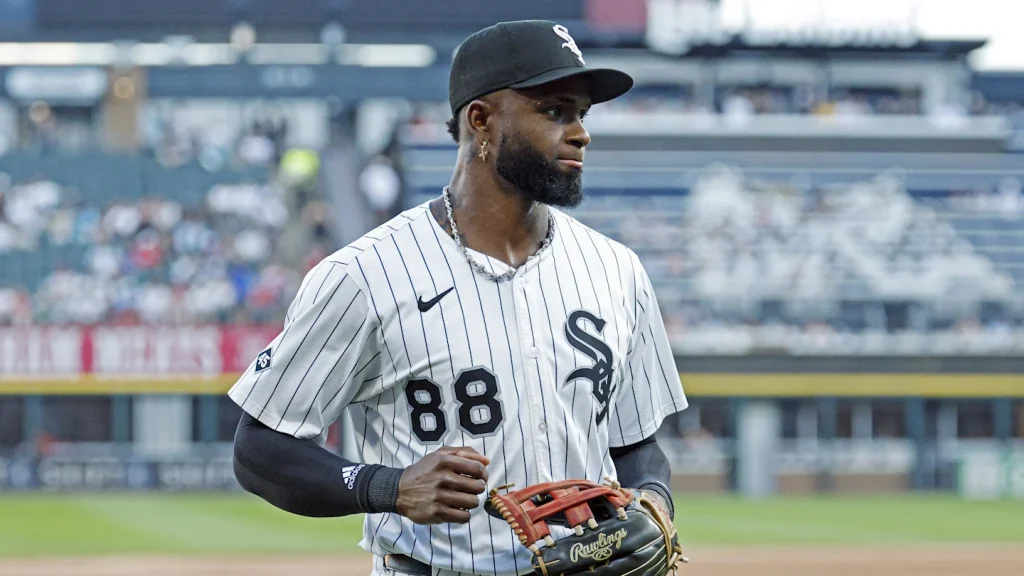
Perfect timing may be unrealistic, but dealing Robert Jr. now makes the least sense. After committing to his $20 million option for 2026, the smartest bet is hoping he enters next season healthy and producing at the level they know he can. It carries risk, of course—his injury history suggests another setback is possible, if not likely.
But the White Sox cannot proceed under the assumption that he will fail. If they did, trading him this winter would already be under way. For the long-term good of the franchise, they must give him the chance to start strong in 2026—and then move him before July if the market reaches its peak.